Peer Learning & Networking

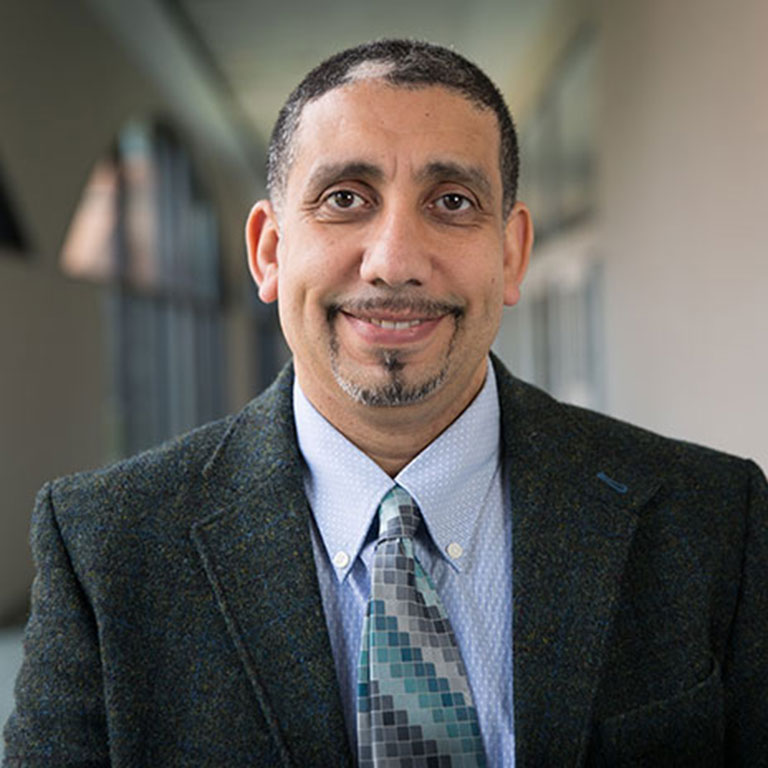
Headshot image of Dr. Chilukuri

Getting together with your cohort of physicians made a world of difference. We loved seeing each other, we had a lot of fun, and we worked hard during those weekends. You looked forward to this environment of connecting with your peers, socializing, and learning something in person from the faculty. I really enjoyed my cohort.

Giridhar Chilukuri, MD, MBA’19 | Regional VP of Health Services for Humana

The Physician Learning Style

physician-learning-style-768x512.jpg

To increase long-term knowledge retention for practicing physicians earning CME credits, studies have shown it’s important to understand the physician learning style. This circular learning model follows these steps:

  1. Recognize what physicians already know
  2. Introduce new knowledge
  3. Apply that knowledge
  4. Reflect on the new learnings before continuing the cycle again

Kelley professors innately understand this learning style, which is at the center of this program’s delivery model. Physicians first learn material online, reconciling new information with what they already know. When you arrive in Indianapolis for quarterly in-person class sessions, you'll apply what you’ve learned alongside your peers, enriching the conversation with diverse viewpoints and experiences. At the end of the in-class learning period, you'll return home to your practice reflecting on what you've learned before starting the next learning module.

Learning together.

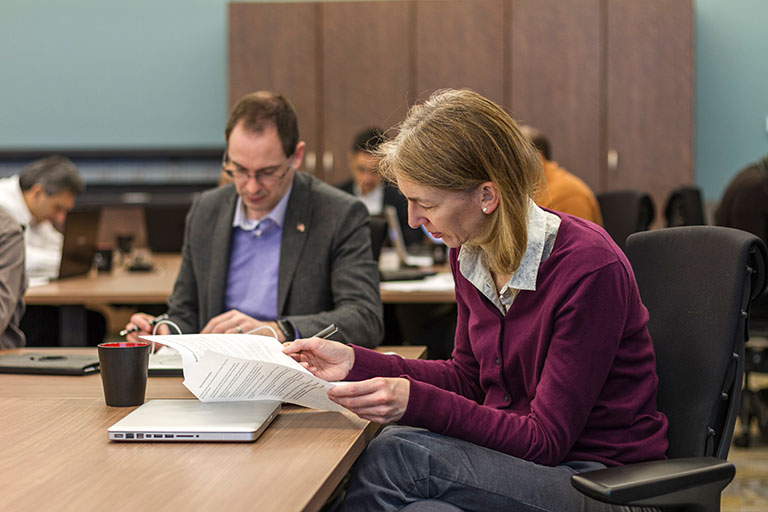
learning-together-768x512.jpg

Peer learning is so central to the Physician MBA Program that group work and connection with other students is embedded in the class structure. Each physician is assigned to a team of five students, specifically chosen to work together for six months. By working alongside peers to complete team projects, physicians improve their capabilities in collaboration and leadership. As they rotate through the roles of presenter, data researcher, analyst and presentation preparer, physicians strengthen their ability to lead, listen and contribute in new ways.

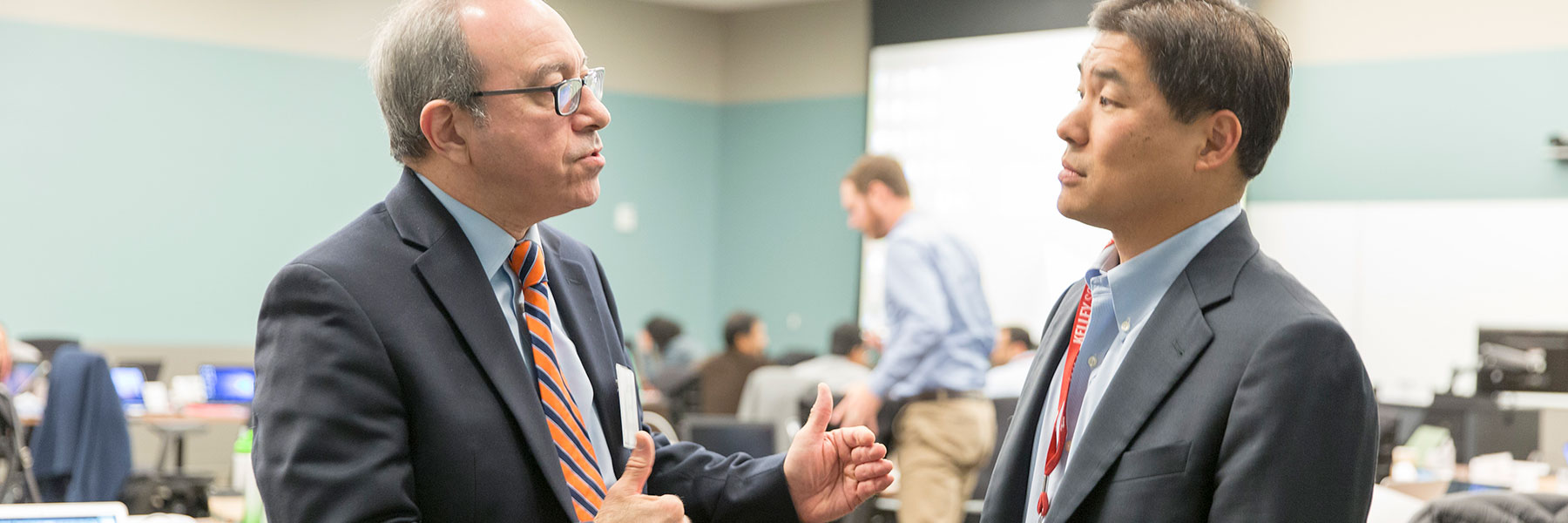
Each six months throughout the program, these teams will change, affording students the opportunity to build new leadership skills, expand their networks and gain new sounding boards among their peers. By the end of this program, physicians graduate with not only an MBA but also lifelong friendships and a strong peer support network.